 Galvanized Coils (Sheets/Strips)
 Galvalume Coils (Sheets/Strips)
 PPGI/PPGL Coils
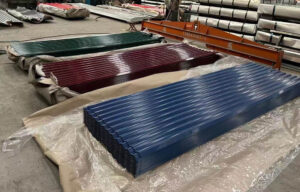 Corrugated Roofing sheets
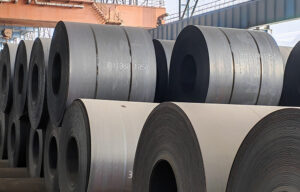 Hot Rolled Coils (Sheets/Strips)
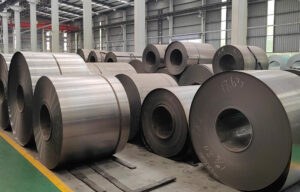 Cold Rolled Coils (Sheets/Strips)
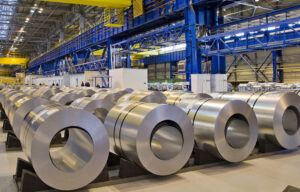 Aluminum Coils (Sheets)
 Tinplate Coils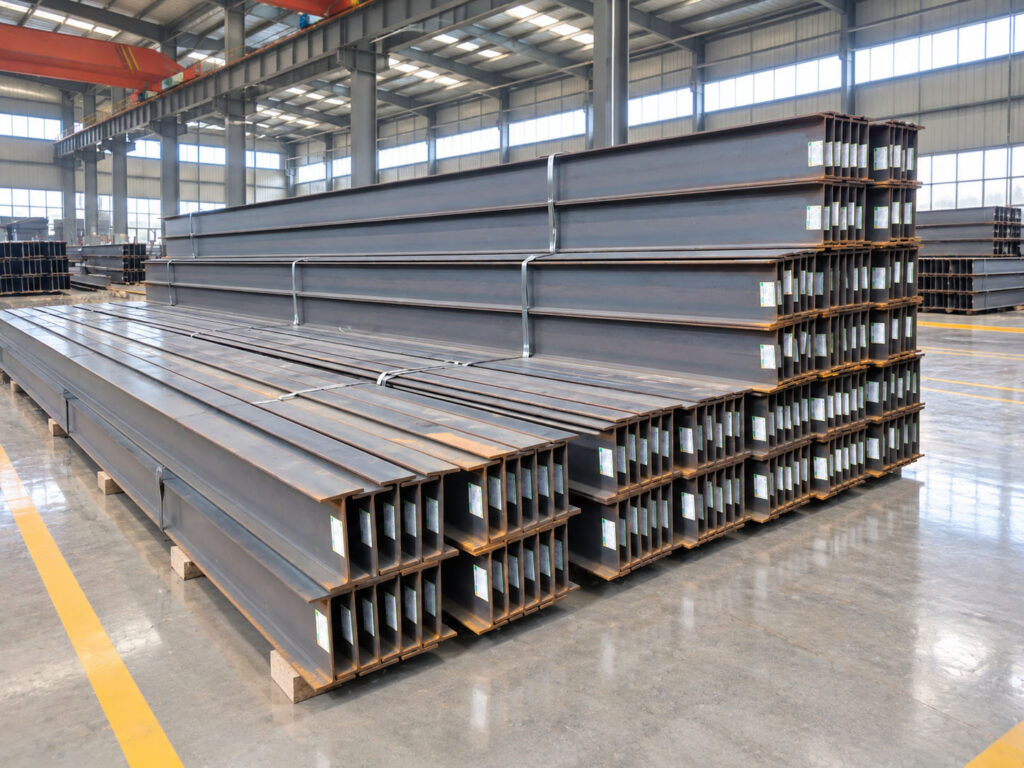
When people talk about structural steel in China, Laigang H beams are difficult to overlook.
For many years, Laigang has been one of China’s major production bases for H-beams and structural sections. Now part of Shandong Iron & Steel Group, it operates large, medium, small and special-section rolling lines, with an annual production capacity of around 3 million metric tons of structural sections.
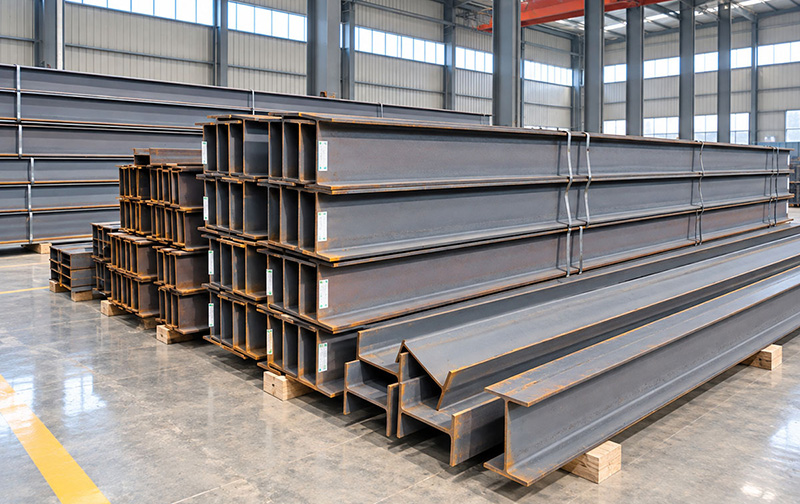
Its product range covers more than 700 specifications across 10 major series. In addition to conventional H beams, the range includes I-beams, channels, sheet piles, bridge sections, mining sections, power transmission angles and various special-purpose structural sections.
For international buyers, another important characteristic of Laigang H beams is the wide range of standards available. Its structural sections cover not only Chinese GB standards, but also European, American, British, Japanese, Korean, Australian and Canadian standards.
This is particularly important in the international structural steel market.
A European customer may ask for HEA, HEB or IPE sections, while a project in North or South America may be designed according to ASTM or other American specifications. Other markets may follow JIS, KS or their own local standards.
This is particularly important in the international structural steel market.
A European customer may ask for HEA, HEB or IPE sections, while a project in North or South America may be designed according to ASTM or other American specifications. Other markets may follow JIS, KS or their own local standards.
Behind what appears to be a simple H-beam is actually a fairly complex system of standards, grades, dimensions and applications.
Laigang H Beam: More Than Just a Standard Section
An H-beam looks simple: two flanges connected by a web.
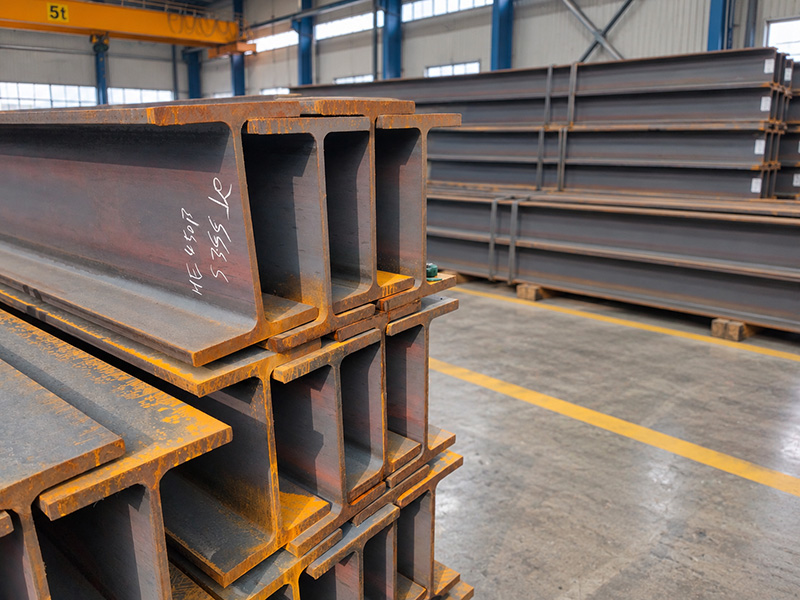
But anyone who has worked with structural steel for a long time knows that supplying the correct section involves much more than matching a nominal size.
The steel grade matters. The dimensional standard matters. The actual theoretical weight matters. Length affects both fabrication and transportation. Tolerances can become important when the material enters a fabrication workshop.
And once the H-beam becomes part of a building or industrial structure, there are many more considerations.
It may need to be cut to an exact length, drilled for structural bolts, welded with connection plates or stiffeners, shot-blasted, painted and finally assembled with other structural components.
This is why experience with the final application of steel is often as valuable as knowledge of the steel itself.
Laigang’s development over the years also reflects this relationship between material and application. Its H-beams and structural sections have been used in a wide range of buildings, infrastructure and engineering projects, while specialized products have been developed for areas such as bridges, offshore engineering, low-temperature environments and other demanding structural applications.
For us at WANDON, this relationship between steel production and structural application has a more personal history.
Our Connection with Laigang Started Long Before WANDON
WANDON founder Mr. Wang Zidong began his career at Laigang.
He worked there for eight years as a production workshop director, during a period when China’s modern structural steel industry was developing rapidly.
His experience at Laigang gave him a first-hand understanding of Laigang H beams and other structural sections, from production and quality control to their practical applications.
In 2008, he left Laigang and started his own business.
Rather than moving away from steel, he went further downstream and entered the steel structure industry.
Looking back, it was a fairly natural transition.
Once you understand how structural steel is produced, the next question is how that steel is actually used.
Steel structures provided that answer.
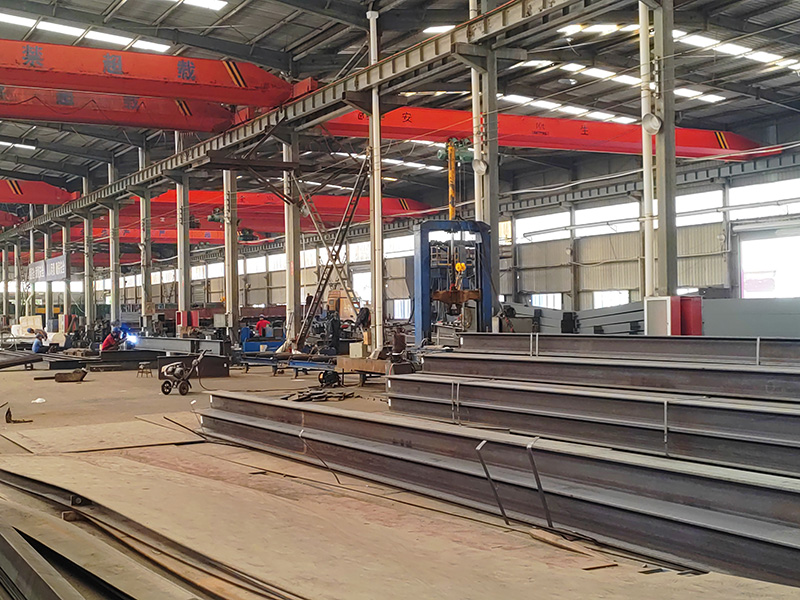
The company began fabricating structural components and participating in different types of steel structure projects. H-beams, channels, angles and steel plates were no longer simply products leaving a rolling mill. They became columns, beams, connections, platforms, workshops, warehouses and other parts of real structures.
At the same time, WANDON maintained its connection with Laigang and gradually developed a strategic cooperation relationship for the supply of structural steel products.
This meant that our experience developed in two directions at the same time: supplying structural steel and actually using structural steel.
What Nearly 20 Years of Projects Have Taught Us
From 2008 to today, we have handled many different orders and participated in steel structure projects of different sizes.
Some customers simply needed standard H-beams.
Others needed materials cut to specific lengths.
Some projects required drilling according to structural drawings. Others involved welded connection plates, stiffeners, surface treatment or complete structural fabrication.
Over time, these projects gave us a much better understanding of what customers are really asking for when they send an inquiry for structural steel.
A request for “HEB300”, for example, is only the beginning.
We still need to understand the required steel grade, length and quantity. We may also need to know whether the customer wants standard mill lengths or finished components.
Transportation can influence the decision as well. A length that works perfectly from an engineering perspective may not be the most economical option for container loading. For larger projects, bulk shipment may offer a completely different solution.
The same applies to fabrication.
If the customer already has a fabrication facility, supplying raw sections may be the most practical choice. If local fabrication is expensive, or if the project schedule is tight, completing cutting, drilling, welding and surface treatment in China may make more sense.
There is rarely one answer that fits every project.
That is probably one of the most important lessons we have learned from working with structural steel for so many years.
From Laigang H Beams to Processing and Fabrication
Today, Laigang H beams remain an important part of WANDON’s structural steel supply business, alongside sections from other established Chinese steel mills.
Our regular supply range includes H-beams and European sections such as HEA, HEB and HEM, IPE and IPN beams, UPN channels, angles, hollow sections, steel plates, pipes and other structural steel products.
Depending on the destination market and project requirements, materials can be supplied according to EN, ASTM, JIS, GB and other commonly used standards.
But because our background is in steel structures, our work often does not stop with raw material supply.
Customers frequently ask whether the material can be processed before shipment. In many cases, it can.
Our steel structure facilities can carry out cutting, drilling, welding, plate fabrication, shot blasting, painting and related processing according to drawings and project requirements.
For some customers, this means receiving steel that is already prepared for the next stage of fabrication or installation.
For others, the requirement develops further into a complete steel structure project.
And this is where our raw material business naturally connects with WANDON Steel Structure.
When a Steel Inquiry Becomes a Steel Structure Project
This happens more often than people might expect.
A customer may initially contact us asking for several hundred tons of H-beams and plates. After reviewing the drawings, however, we may find that the customer actually needs much more than raw steel.
There may be cutting plans, bolt holes, welded plates, structural connections and surface treatment requirements throughout the project.
At that point, it becomes worth discussing whether shipping raw material is still the best solution, or whether part — or all — of the fabrication should be completed before shipment.
This is one reason our material supply and steel structure businesses have remained closely connected over the years.
Our experience with Laigang gave us an understanding of the material itself. Nearly twenty years in steel structure fabrication gave us another perspective: understanding what happens to that material after it leaves the mill.
Today, both experiences are still useful when we review a new inquiry.
Sometimes the customer only needs a competitive quotation for standard H-beams. We are happy to supply them.
Sometimes the customer needs those beams cut, drilled and welded according to drawings. We can discuss the processing requirements.
And sometimes what initially looks like a steel purchase turns out to be a complete warehouse, factory or industrial structure. In that case, our steel structure team can work with the customer from the drawings onward.
For customers sourcing structural sections from China, the easiest starting point is usually a BOM, material list or structural drawing.
From there, we can understand not only what steel is required, but also how much work needs to be done before that steel is ready for the project.
After nearly twenty years working with structural steel, we have found that this is often the more useful question to ask.
WANDONG STEEL STRUCTURE